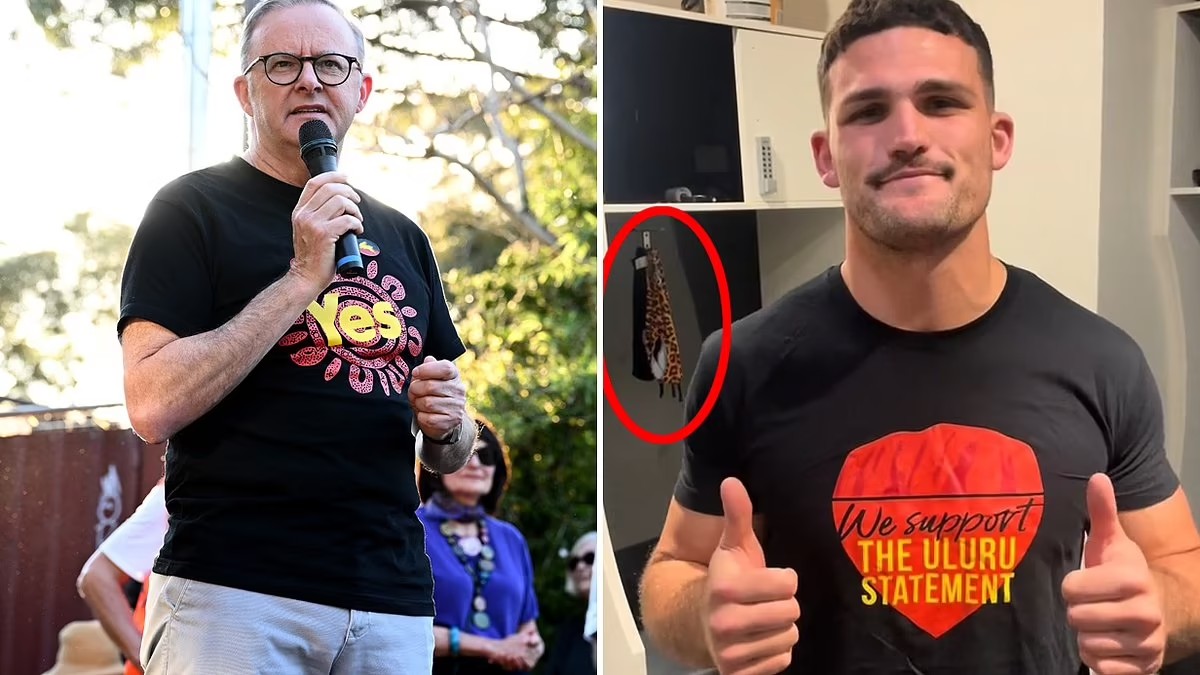
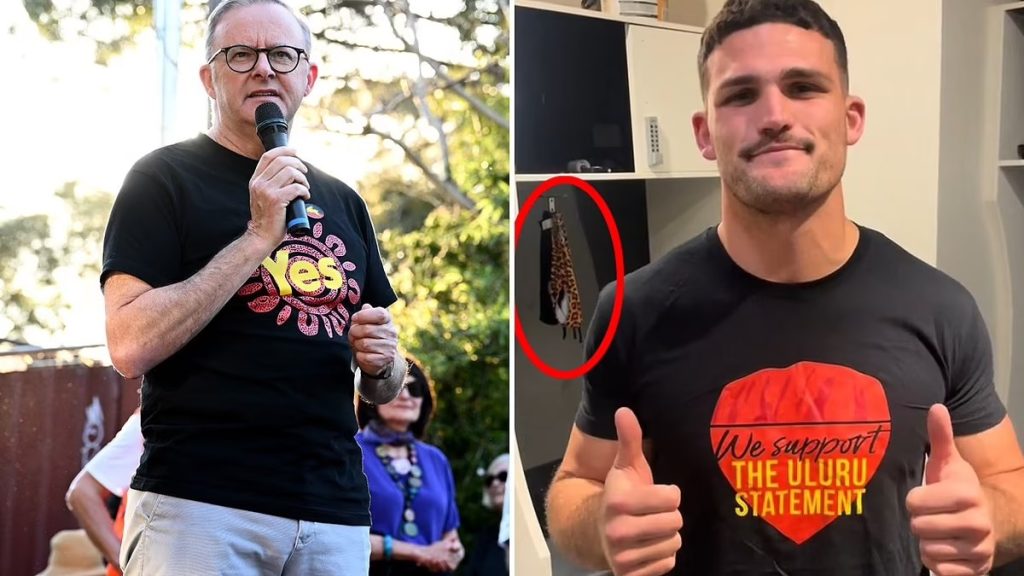
As conversations around athlete advocacy continue to grow louder, the recent backlash faced by Australian rugby league star Nathan Cleary highlights both the power and the cost of using a public platform for social causes. Cleary’s endorsement of Indigenous voices—widely interpreted as support for greater recognition, inclusion, and justice for Aboriginal and Torres Strait Islander peoples—sparked a wave of online criticism. While the reaction was swift and, in some quarters, hostile, the incident serves as a broader warning and reminder: standing up for something worthwhile often comes with a price.
In modern sport, athletes are no longer seen solely as performers on the field. Social media has transformed them into influential public figures whose opinions can reach millions instantly. For many fans, this expanded role is welcome; athletes are admired not just for their skill, but for their character, leadership, and willingness to speak on issues that matter. Yet for others, sport is expected to remain an escape from politics, history, and social debate. When an athlete crosses that invisible line, backlash can be immediate.
Nathan Cleary’s experience fits this pattern. By lending his voice to Indigenous perspectives—voices that have historically been marginalized in Australia—he stepped into a deeply emotional and politically charged space. The response revealed a familiar tension: while society increasingly calls on prominent figures to “use their platform for good,” it does not always respond kindly when they do. Support and condemnation often arrive in equal measure, amplified by the anonymity and speed of online discourse.
The backlash itself says less about Cleary and more about the unresolved discomfort many people feel when confronted with Indigenous issues. Topics such as historical injustice, sovereignty, recognition, and reconciliation challenge national narratives and personal beliefs. When a beloved sports figure aligns with these conversations, it can feel confronting to fans who prefer their heroes to remain neutral or silent. As a result, criticism is often framed as a demand to “stick to sport,” a phrase that has become shorthand for resisting social change.

However, asking athletes to remain apolitical ignores a simple truth: athletes are citizens first. They are shaped by the same society, history, and moral questions as everyone else. For Indigenous Australians in particular, seeing high-profile non-Indigenous athletes express solidarity can be deeply meaningful. It signals that their concerns are not isolated or invisible, but worthy of national attention and empathy. That symbolic support can help shift public conversations in ways policy statements alone often cannot.
Cleary’s situation also illustrates the uneven burden placed on those who speak out. Advocacy is frequently celebrated in hindsight, once social progress has been made safer and more widely accepted. In the moment, however, it can invite abuse, misrepresentation, and threats to reputation. For athletes whose careers depend on public approval, sponsorships, and team harmony, the risks are real. Online backlash can affect mental health, family life, and professional opportunities, making silence the easier option.
Yet history shows that meaningful change rarely comes from comfort. From Muhammad Ali’s opposition to the Vietnam War to more recent movements against racism in sport, progress has often begun with individuals willing to absorb criticism for a larger cause. These figures were not universally praised at the time; many were condemned, mocked, or punished. What distinguishes them is not the absence of backlash, but the decision that the issue mattered more than popularity.

In this context, Cleary’s endorsement of Indigenous voices can be seen as an act of quiet courage rather than provocation. It reinforces the idea that allyship is not only about symbolic gestures during designated awareness rounds, but also about consistency when opinions are unpopular. If advocacy only exists where there is no cost, its impact is limited.
Ultimately, the incident serves as a cautionary tale for athletes and public figures—but not in the way critics might intend. It warns that speaking up will not please everyone, that online spaces can be unforgiving, and that moral clarity does not guarantee universal support. At the same time, it affirms something equally important: that voices with influence can still choose principle over comfort.
As athlete advocacy continues to evolve, the question is not whether backlash will occur, but whether it will silence those who believe in something better. Nathan Cleary’s experience suggests that while standing up for what is right may come with a price, remaining silent carries one too—paid by those whose voices go unheard.