🚨 SHOCKING REVELATION IN THE NRL 🚨
CCTV Footage Sparks Controversy as Police Allegedly Discover Stolen Vehicle and $200 Million Worth of Diamonds at Property Linked to Brian To’o — Investigation Unfolds Amid Explosive Claims and Growing Public Scrutiny
First, it’s important to be clear: there is no verified evidence supporting these claims, and situations like this are often fueled by rumors, misinformation, or exaggerated storytelling. However, if we treat this as a hypothetical scenario, there are several realistic explanations for how a stolen car could end up at someone’s property without their knowledge or involvement.

One of the most common possibilities is that the property was used without permission. High-profile athletes often have large homes, multiple entry points, or even periods where they are away due to travel, training, or matches. A thief could take advantage of this, parking a stolen vehicle in a driveway, garage, or nearby area assuming it won’t immediately be noticed.
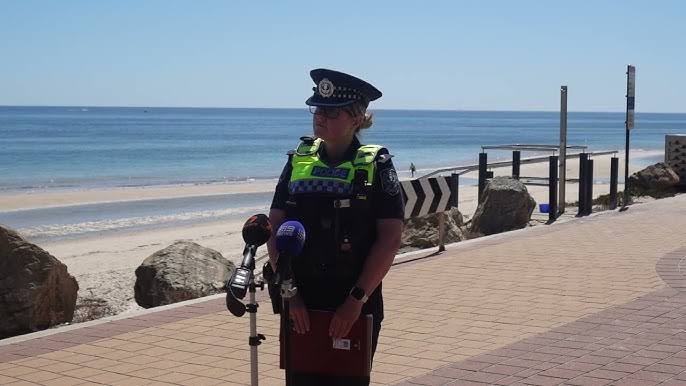
Another likely explanation is mistaken location targeting. Criminals sometimes use GPS trackers, social media posts, or previously scouted areas to drop stolen goods. If a location appears secure, quiet, or rarely monitored, it may be used as a temporary “cool-off” spot to avoid immediate police detection. In such cases, the homeowner may have no idea anything illegal has been placed on their property.
There’s also the possibility of third-party involvement. Someone known to the homeowner—such as a contractor, delivery driver, or even a distant acquaintance—could unknowingly or deliberately bring a stolen vehicle onto the premises. In larger households or shared spaces, it’s not always possible for the owner to monitor every movement.

In more complex cases, criminals sometimes deliberately plant stolen items at high-profile locations. This tactic can be used to divert attention, create chaos, or shift suspicion onto someone else. Public figures, especially athletes, are more vulnerable to this because of their visibility and the media attention surrounding them.
Another factor could be misinterpretation of CCTV footage. Video evidence can sometimes be misleading—angles, timestamps, or unclear visuals may lead to incorrect assumptions about ownership or involvement. What appears suspicious at first glance may later be explained by routine or innocent activity.
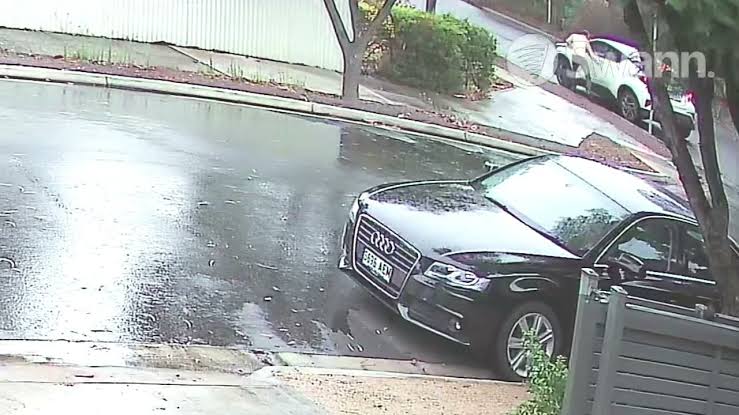
Finally, it’s worth noting that investigations often uncover simpler explanations than initially reported. Early reports in high-profile cases tend to be dramatic, but as facts are verified, the narrative can change significantly.
In situations like this, the most important thing is to rely on confirmed information from authorities, not speculation. Allegations alone do not equal guilt, and jumping to conclusions—especially involving public figures—can be unfair and damaging.